A Guide to Using Music as a Tool for Personal Development
Hello! I’m Julia and today I’m delighted to be able to share with you something that is super special to me: how music has not only been my passion and my career, but also an incredible tool for my personal development. In this article I tell you how I have learned to use music to express my emotions, build my confidence and much more.
The purpose of this article is to show you how you too can use music for your personal growth. You don’t need to be a professional singer or musician, you just need to let yourself go and be open to the possibilities.
Here I share with you my tips and experiences so that music becomes your travel companion. Let’s get to it!
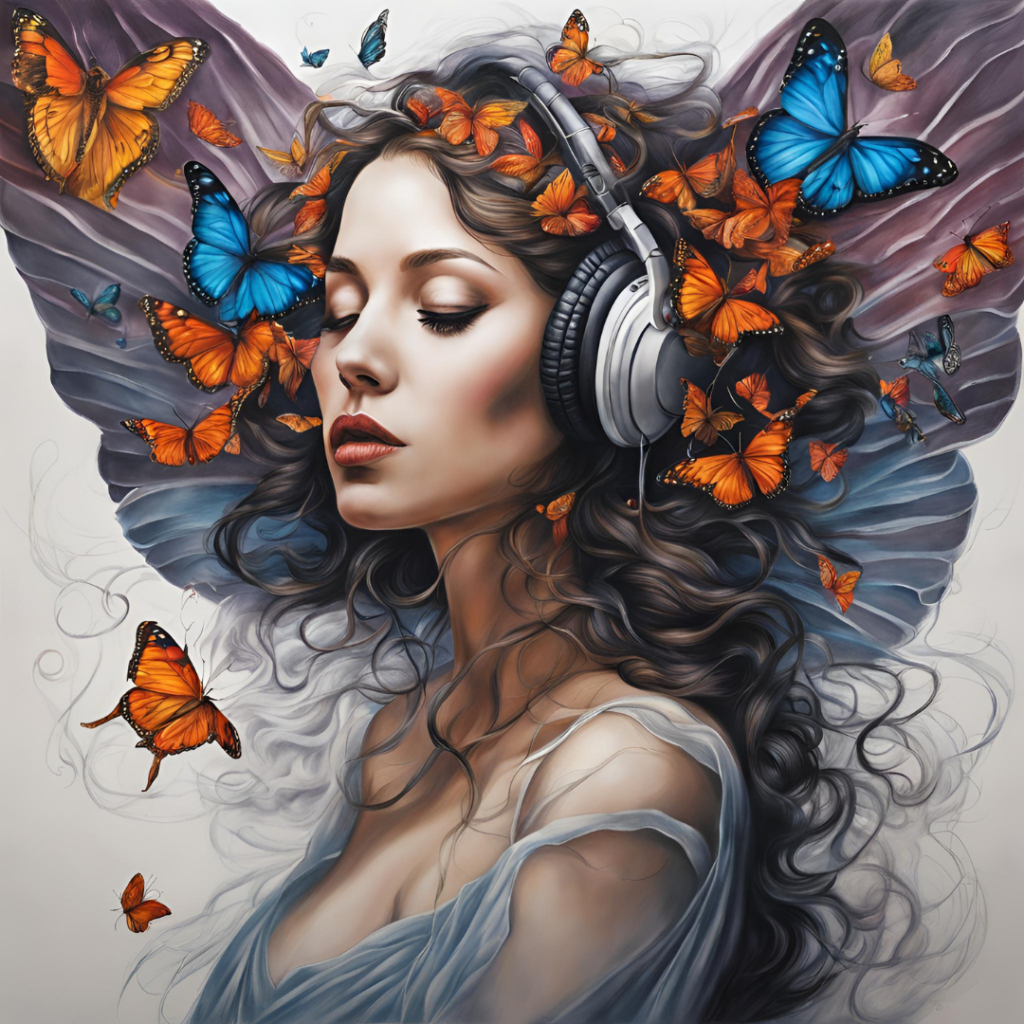
The Benefits of Music and Personal Development
Psychological Benefits
Music is magical, and not just because it makes us feel good, but because it has real effects on our psychological well-being. Listening to music you enjoy can reduce stress and anxiety. I tell you from my own experience: there are times when I just need to put on a song to make all the bad things fade away.
There are studies to back this up, such as a 2013 study from the Journal of Positive Psychology showing that listening to upbeat music can improve your mood and your satisfaction with life. So, next time you’re feeling a little low, try putting on your favorite song – it works!
Cognitive Benefits
Music is not only good for the soul, it is also good for the mind. It stimulates our brain, helps us concentrate better and even improves our memory. I myself have noticed how it helps me to be more creative when I am composing. There is research from Stanford University that demonstrates how music can improve cognitive abilities and concentration. So if you need to focus, put on some instrumental music in the background and you’ll see how everything flows better.
Physical Benefits
In addition to all of the above, music also has physical benefits. For example, listening to relaxing music before going to sleep can help you rest better. I have a specific playlist for that and I assure you that it works wonders. It has also been shown that music can help reduce blood pressure and control pain. A 2015 Cochrane Review study suggests that music can be very effective in relieving pain in patients. It’s almost like a natural medicine!
Music as a Vehicle for Emotional Expression
Understanding Emotions through Music
Music is my way of understanding and processing what I feel. Sometimes, when words are not enough, music helps me connect with my deepest emotions. I remember difficult times when composing a song was like therapy for me. Music has the power to take us to places inside us that sometimes we didn’t even know existed.
Creating Music as Therapy
You don’t need to be a composer to use music as therapy. You can simply sing what you feel or write a lyric that expresses what is inside you. I recommend you try it; it is incredibly liberating. If you don’t know where to start, try to put into words what you are feeling and then shape it into a song.

Emotional Benefits
Music has helped me process and release emotions that otherwise would have been trapped. It has also taught me to be more emotionally resilient. There are studies that support this, showing how music therapy is effective in treating emotional disorders such as depression and post-traumatic stress disorder (PTSD). So, if you ever feel overwhelmed by your emotions, turn to music. It can be your best ally.
Boosting Self-Esteem and Confidence
The Power of the Stage
Getting on stage was not always easy. At first, stage fright overpowered me, but over time, I learned to use those experiences to build my confidence. Every time I face that fear, I feel like I grow a little more. If you are ever faced with a similar situation, either in public or in private, I recommend that you do it to music. You’ll be surprised how much it can help you.
Using Music for Personal Affirmation
Another thing that has helped me a lot is to create songs that reinforce positive messages. When I write or listen to music with lyrics that empower me, I feel like I can handle anything. You can do the same: create your own playlist of musical affirmations, songs that make you feel powerful and capable of anything.
Benefits for Self-Esteem
Music has taught me to trust myself more and to overcome the fear of failure. There is a 2010 study in Psychology of Music that found that actively participating in music increases self-esteem, especially in young people. So whether it’s singing in the shower or getting up on stage, let the music help you feel more confident.
The Musician’s Discipline: Developing Persistence and Focus
Practice Routines and Personal Development
Music has taught me the importance of discipline. Practicing an instrument or improving my voice requires perseverance, and that same perseverance can be applied to any aspect of life. Having a daily routine, even if it’s only 15 minutes, can make a big difference, both in your music and in your personal development.
Setting Goals and Overcoming Obstacles
In music, as in life, it is essential to set goals and work to achieve them. I have learned to overcome creative blocks and challenges, and that has made me more resilient. Whenever you face an obstacle, whether in music or otherwise, remember that every little step counts.
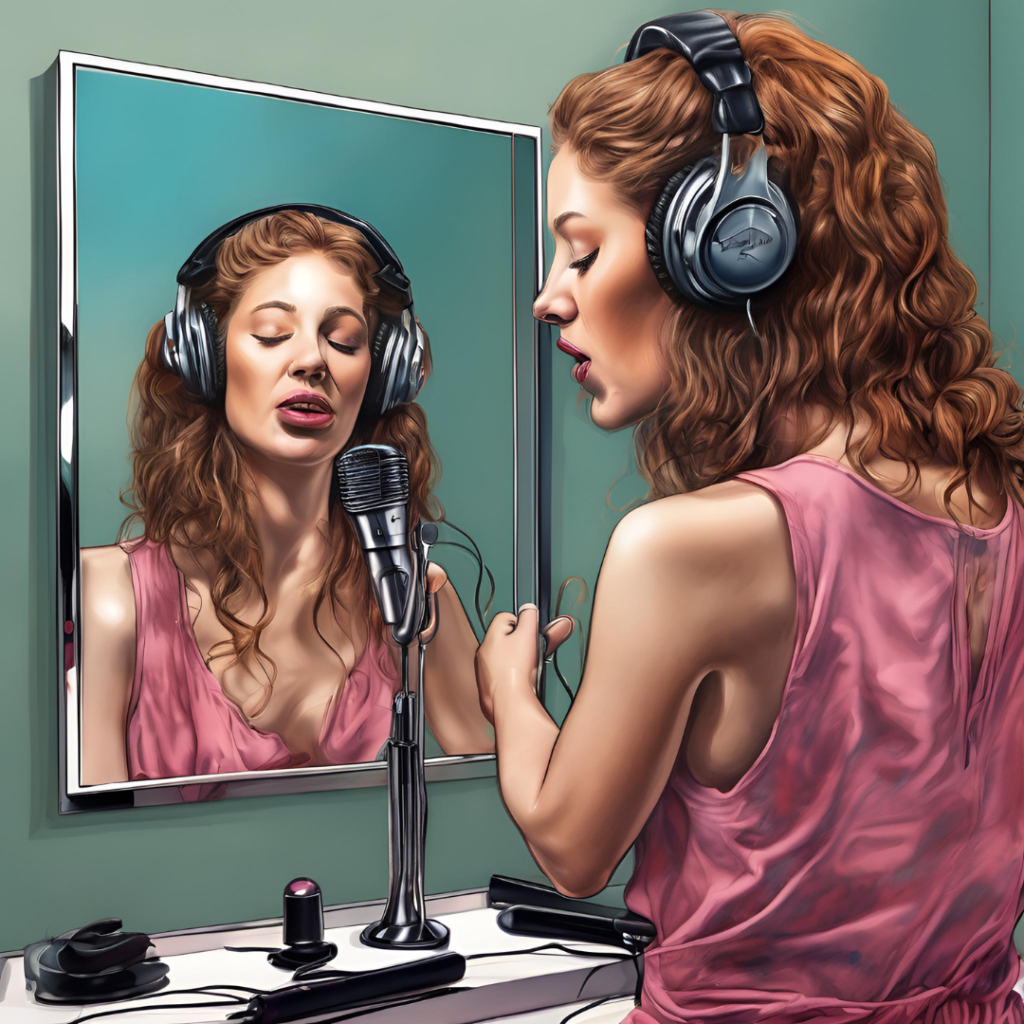
Benefits of Discipline and Persistence
Being disciplined in music has taught me to set and achieve goals, and to be more persistent in everything I do. Research shows that regular music training improves self-discipline and intrinsic motivation. So, if you ever feel like you lack motivation, try to apply the same discipline you have in music to other aspects of your life.
Music as a Social Connection
Creating Community through Music
Music has not only allowed me to grow on a personal level, but it has also helped me connect with other people. Collaborating with other artists has been one of the most enriching experiences of my life. Music has that ability to bring people together, to create a community where everyone feels part of something bigger.
Music and Empathy
Music is also a powerful tool for developing empathy. Listening to a song that tells a story different from your own can open your eyes to new realities and make you more understanding. Some of my favorite themes are those that inspire unity and solidarity.
Social Benefits
Participating in group musical activities, such as in a choir or band, not only strengthens social connections, but also reduces feelings of loneliness. Music fosters a sense of belonging and improves our communication and empathy skills. If you have the opportunity, join a group music activity. You’ll be surprised how good it will make you feel!

Practical Exercises Recommended by Julia Samadhi
Music Newspaper
One thing I love to do is keep a music journal. Every day, I listen to a song and write down how it makes me feel. It’s a great way to connect with your emotions and track your mood.
Creating a Playlist for Personal Development
I recommend that you create a playlist for different times of the day or moods. Have one for motivation, one for relaxation, and one for reflection. You’ll be surprised how much it can help you focus and stay positive!
Daily Singing or Instrumentation Practice
Spend a few minutes a day singing or playing an instrument. Not only will you get better at music, but you will also feel more connected to yourself. It is a habit that is really worth developing.
Conclusion
I hope these tips inspire you to use music as a tool for your personal development. Remember, music is there to accompany you every step of the way. It doesn’t matter if you’re having a bad day or if you’re on top of the world, there will always be a song that fits what you’re feeling.
So, my friend, keep creating, listening and living the music! I am sure it will help you discover new facets of yourself and grow in ways you can’t even imagine, and I encourage you to explore your relationship with music and integrate it into your daily life.
Tell me, in what way would you like to start? What has inspired you the most from what I have told you?
I will be happy to read you.
A big hug, Julia.